Does Carpet Mold Continue to Harm Indoor Air Quality After the Carpet Is Gone?
Yes, carpet mold can affect indoor air quality even after the carpet is removed. The reason is that mold does not simply vanish when you rip up the contaminated carpet. The spores, mycotoxins, and microbial particles that were trapped in the carpet and the underlying materials often linger in the air, on surfaces, and inside the structure of the room. Unless the entire area is properly decontaminated and dried, the indoor air quality remains compromised.
This is a common oversight during mold remediation. Many people assume that removing the visible moldy carpet solves the problem. In reality, the underlying pad, the subfloor, and even the wall baseboards and tack strips can harbor mold growth. Once disturbed during removal, these contaminants become airborne and can spread throughout the home or building. The result is that the air you breathe may still contain mold spores and irritants long after the carpet is gone.
How Mold Spreads During Carpet Removal
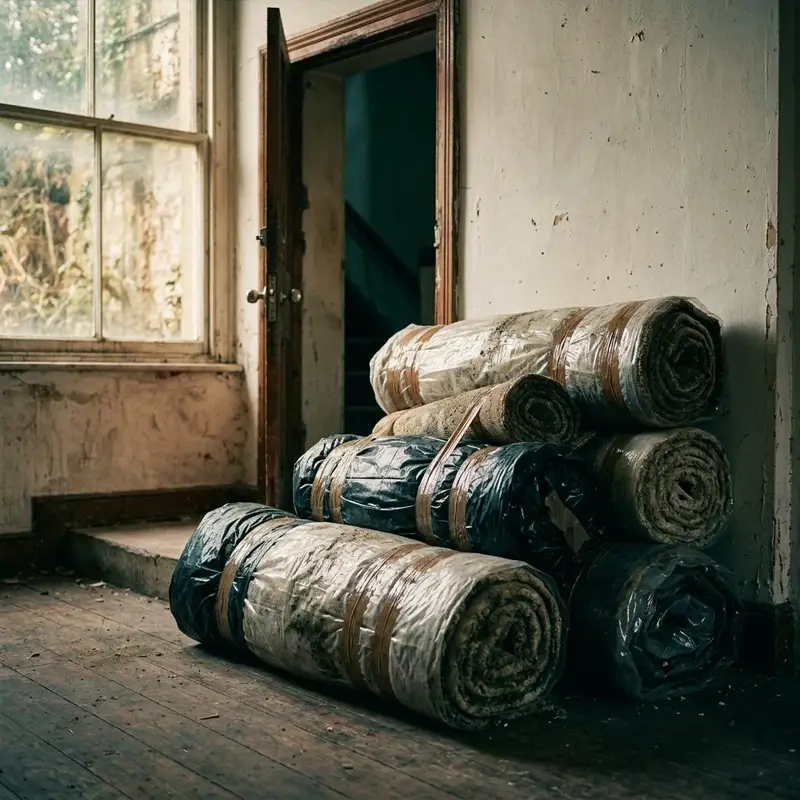
When you pull up a moldy carpet, the physical act of tearing, rolling, and hauling it out stirs up the spores that were sitting in the fibers. These microscopic particles are light enough to stay suspended in the air for hours. If the carpet was saturated with moisture, the mold may have penetrated into the carpet pad and even the wood or concrete subfloor beneath it. Simply removing the carpet leaves those deeper layers untouched, and they continue to release spores into the indoor environment.
Additionally, mold can grow on the back side of the carpet itself. During removal, that side is exposed, and any spores that were trapped there are released. Without proper containment and air filtration, those spores travel through the HVAC system, into adjacent rooms, and settle on furniture, curtains, and other porous materials. The air quality in the entire building can suffer as a result.
What Lingers After the Carpet Is Gone
Even after you have removed every piece of carpet, several sources of contamination can persist:
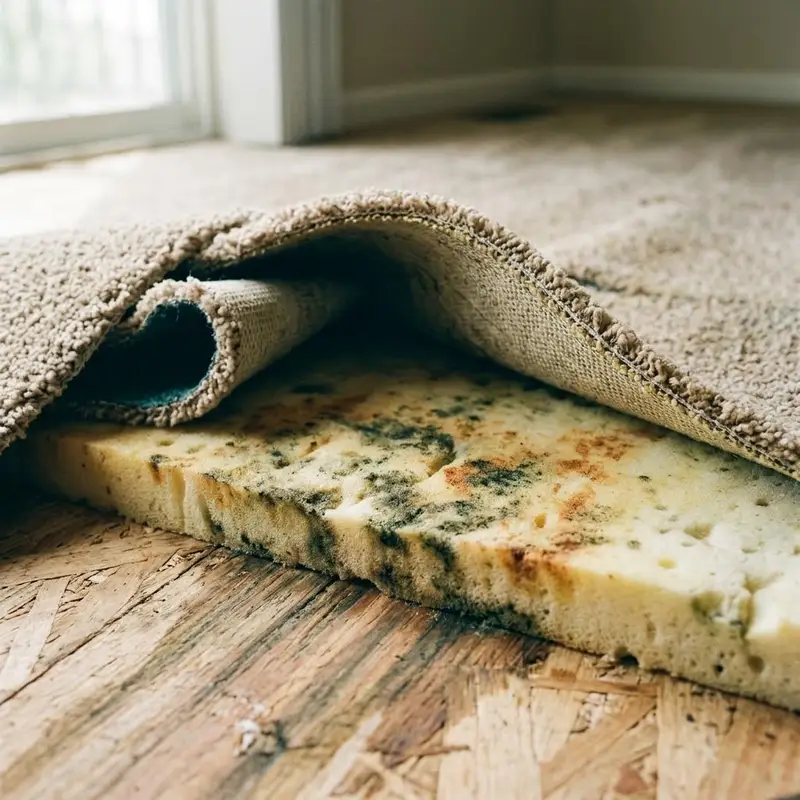
- Mold spores embedded in the subfloor, underlayment, or concrete slab that were not cleaned or treated.
- Mycotoxins, which are toxic compounds produced by some mold species, that can cling to dust and surfaces.
- Microbial volatile organic compounds (MVOCs), the chemicals that give mold its musty smell, which continue to off-gas from contaminated materials.
- Residual moisture in the subfloor or drywall that keeps the mold alive and active.
- Spores that have settled into HVAC ducts, baseboards, or wall cavities and are recirculated every time the system runs.
These hidden reservoirs mean that the indoor air quality may not improve until a thorough remediation process is completed. Simply airing out the room or running a standard air purifier is rarely enough.
The Role of Proper Remediation
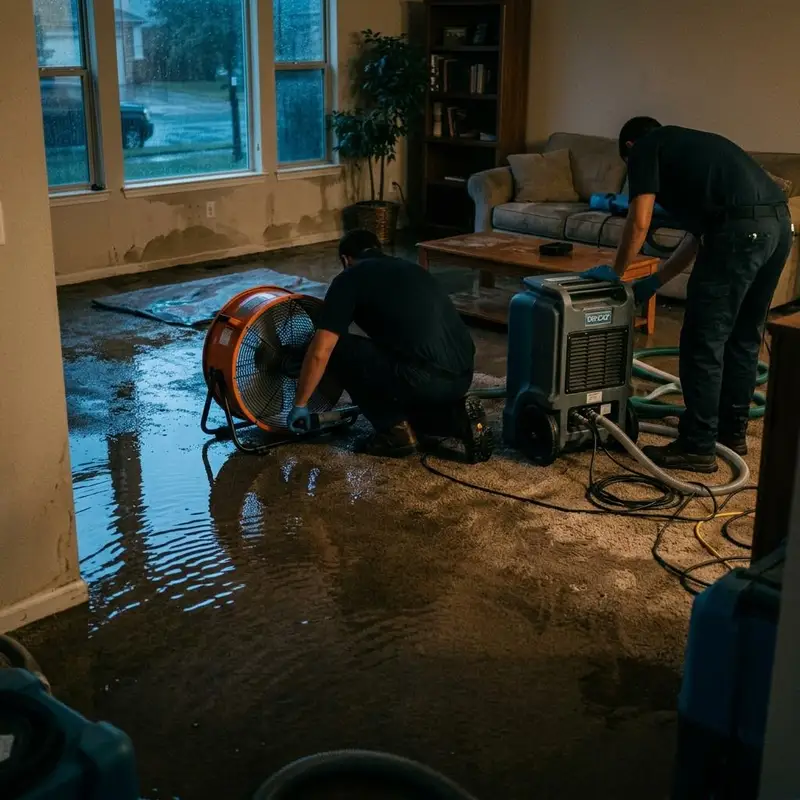
Effective mold remediation after carpet removal goes beyond just taking the carpet out. The affected area needs to be dried completely, usually with industrial air movers and dehumidifiers. Any porous material that cannot be cleaned, such as the carpet pad or damaged subfloor, must be cut out and disposed of. Non-porous surfaces like concrete or tile can be scrubbed with antimicrobial solutions. The entire space should be vacuumed with a HEPA-filtered vacuum to capture fine particles. Finally, the area should be tested to confirm that spore levels have returned to normal.
This is where a service like Carpet Mold Removal Services Pros can make a difference. They specialize in identifying moisture sources, removing contaminated materials, drying structures, and restoring indoor air quality. Their process addresses the hidden contamination that simple carpet removal misses. You can learn more about these steps by visiting carpetmoldremovalservices.com, which provides detailed guidance on the topic.
Why Air Quality Testing Matters
Indoor air quality testing is the only reliable way to know whether the air in your home is safe after mold remediation. Visual inspection alone cannot detect airborne spores or MVOCs. A professional test typically involves taking air samples from the affected room and a control area outside the building, then comparing the levels of mold spores. If the indoor count is significantly higher than the outdoor baseline, the remediation is not complete.
Testing also identifies the specific types of mold present. Some species, such as Stachybotrys chartarum (often called black mold), produce potent mycotoxins and require more aggressive cleanup. Others are merely allergenic. Knowing what you are dealing with helps determine the appropriate next steps.
Even if the carpet is gone, if you still smell a musty odor or notice respiratory symptoms like coughing, sneezing, or headaches, it is a strong indicator that the air quality is still poor. Testing gives you objective data to guide further action.
Common Mistakes After Carpet Removal
Many homeowners and even some contractors make errors that prolong the problem:
- Not sealing off the work area during removal, letting spores drift into the rest of the home.
- Failing to remove and replace the carpet pad, which often holds more moisture than the carpet itself.
- Leaving the subfloor wet or damp, allowing mold to continue growing.
- Skipping the HEPA vacuuming step, so settled spores get kicked up again later.
- Painting or sealing a contaminated surface without cleaning it first, which traps moisture and mold underneath.
Each of these mistakes can keep the indoor air quality poor for weeks or months after the carpet is gone. The only way to avoid them is to follow a systematic remediation protocol.
When to Call a Professional
If the affected area is larger than a few square feet, or if the mold growth is the result of chronic moisture like a leaking pipe or flooding, professional help is advisable. Professionals like Carpet Mold Removal Services Pros have the equipment to dry the structure thoroughly, the training to handle hazardous mold species safely, and the tools to test the air afterward. They also understand how to contain the work area so that spores do not spread to clean parts of the building.
Even after professional remediation, it is wise to have the indoor air quality tested by an independent specialist to verify that the levels are within acceptable limits. This step provides peace of mind and documentation for insurance or real estate transactions.
Preventing Future Problems
Once the mold is gone and the air quality is restored, the key is to prevent moisture from returning. Fix any leaks, improve ventilation in bathrooms and kitchens, use dehumidifiers in basements, and avoid installing carpet in areas prone to dampness. If you do install new carpet, choose a low-pile, synthetic option that is less absorbent and easier to dry if it gets wet. Also, consider using area rugs that can be taken up and cleaned easily.
Regularly inspecting under sinks, around windows, and in the basement for signs of moisture can catch problems before they lead to mold growth. Acting quickly when water spills or leaks occur is the best defense against repeating the cycle.
For more information on how to identify moisture issues and choose the right remediation approach, carpetmoldremovalservices.com offers practical resources. The site focuses on carpet mold removal and restoration services, so it is a useful reference for anyone dealing with this specific problem.
Final Thoughts
Removing moldy carpet is a necessary first step, but it is rarely the last. The mold that was in the carpet often leaves behind a legacy of contaminated materials and airborne particles that continue to degrade indoor air quality. Without thorough drying, cleaning, and testing, the air in your home may remain unhealthy. If you suspect that mold is affecting your indoor air quality, do not stop at pulling up the carpet. Investigate the underlying structure, remediate properly, and test the air to be sure the problem is gone.
Your health and comfort depend on the air you breathe every day. Taking the extra steps to ensure it is truly clean is worth the effort.